
Window and Door Companies: Book More In-Home Estimates and Cut No-Shows
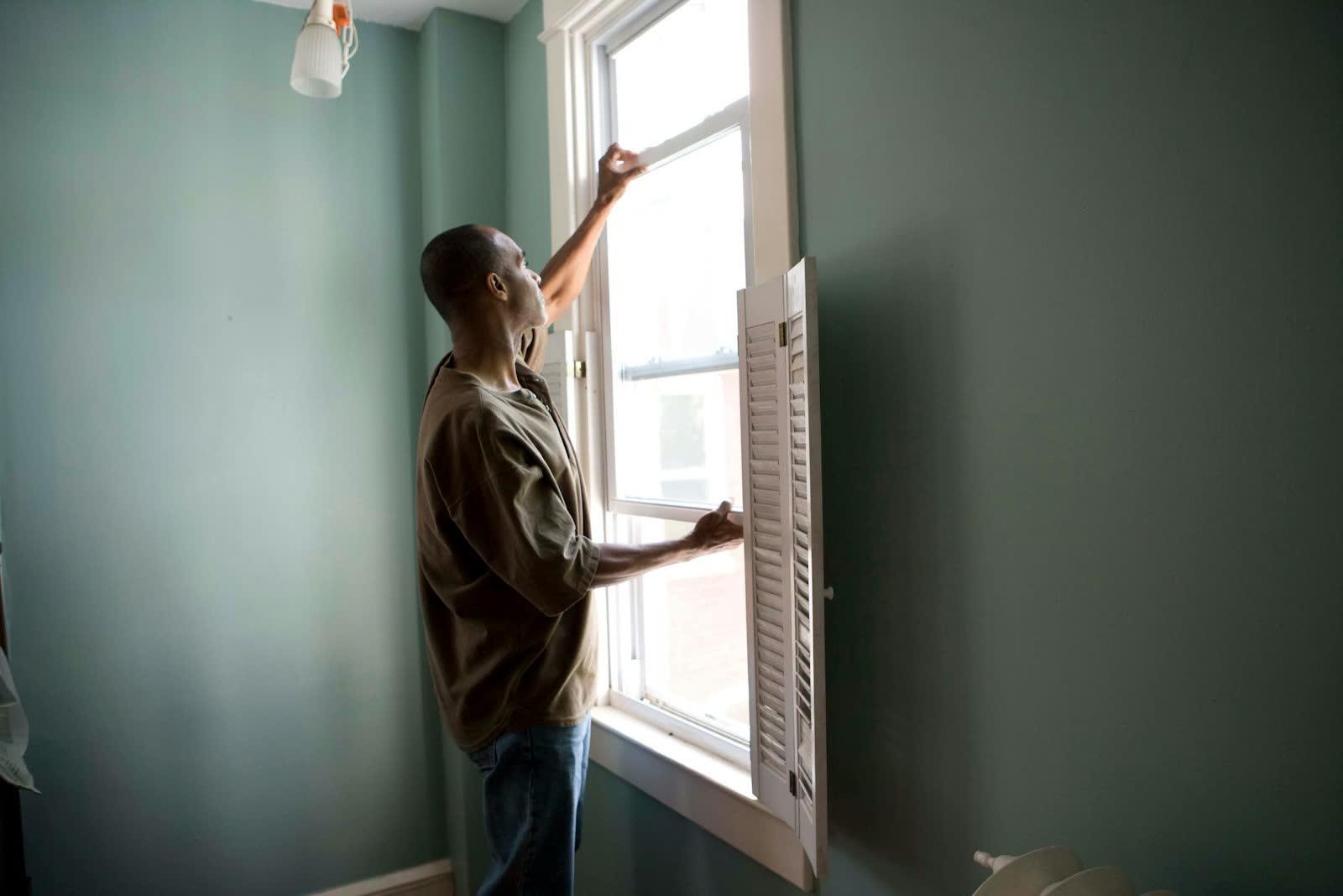
Quick answer: A window or door sale depends on getting into the home, with the right people there, and then staying in touch while the homeowner decides. Most companies lose deals at three points: slow replies to new inquiries, in-home estimates where one decision maker is missing (or nobody is home), and quotes that go quiet after the visit. Automated instant replies, reminders that ask for all decision makers, and weeks of polite follow-up fix all three, while your sales software keeps doing its job.
You have probably been there: you drive to a home for an estimate, ring the bell and one spouse says "oh, my husband is at work, he makes the decisions on windows." Forty minutes of driving, one useful conversation, zero deal. This is the most predictable (and fixable) leak in the business.
Why do window and door leads go cold?
New windows or an entry door is a big purchase, often several thousand dollars or more. Homeowners treat it that way. They request quotes from several companies, take their time, and talk it over at home.
That creates three leaks:
- The first reply is slow. A form filled on Sunday evening waits until Monday afternoon. By then another company has booked the estimate.
- The estimate is one-legged. Only one spouse is home, so no decision can be made.
- The quote goes quiet. After the visit, follow-up depends on how busy the rep is.
Speed matters even for considered purchases. Leads contacted within 5 minutes are about 8x more likely to qualify than those contacted at 30 minutes, and 35–50% of sales go to the first vendor to respond.
How do you book more in-home estimates?
Make the first reply instant and make booking easy:
"Hi Linda, thanks for asking about new windows. What time works for a free in-home estimate? We have openings Thursday evening and Saturday morning. Reply with a time or pick one here."
Missed calls get the same treatment through missed-call text-back. Leads from home shows and events get an automatic follow-up the same day, while the conversation is still fresh.
How do you stop one-legged appointments?
Ask for both decision makers three times, politely, in writing:
| When | What to send |
|---|---|
| At booking | "Will everyone who makes decisions about the house be there?" |
| Confirmation | Date, time, rep's name and photo, and a note asking all decision makers to attend |
| Day before | Reminder with the same request, plus an easy way to move the time |
| Morning of | "Tom will see you both at 6 pm." |
If the reply is "my husband works late Thursday", the system offers a different time instead of letting a doomed appointment go ahead.
How should you follow up after the estimate?
This is where most revenue sits. The homeowner has your price and two others. They might be waiting for a tax refund, the end of winter, or just a quiet weekend to decide.
A good follow-up sequence is useful, not pushy:
- Day 1: Thank you, a summary of what was quoted, an easy way to ask questions.
- Day 4: What installation day looks like and how long it takes.
- Day 10: Answers to common questions (energy savings, warranty, financing basics).
- Day 21 and 45: A short check-in with a direct way to book the install or ask for a revised quote.
- Any reply: The sequence stops and your rep takes over.
Should window companies ask for reviews?
Yes, and right after installation, while the customer is enjoying the result. BrightLocal's 2026 survey found 97% of consumers read reviews for local businesses and 85% say positive reviews make them more likely to use a business. For a big-ticket purchase, reviews also reassure the next homeowner that your crew leaves the house clean.
Past customers are also worth staying in touch with. The family that bought windows three years ago may need a new entry door or a patio door next, and they already trust you. Send occasional, useful messages only to customers who agreed to hear from you.
Do you need to replace your sales software?
No. Window and door companies often run LeadPerfection, improveit 360, MarketSharp or Salesforce for leads, appointments and contracts. Keep them. The practical setup:
- Instant replies, reminders, follow-up and reviews: an automation layer (for example GoHighLevel).
- Appointments and contracts: your sales software.
- The connection: the software's API or Zapier / Make, where your plan allows.
One exception: if you are a dealer for a large brand, your agreement may require the brand's own tools. Check before building anything.
What legal points should you know?
- Cooling-off rules. US federal and state rules give buyers a right to cancel some in-home sales within a few days. Contracts and cancellation notices stay with your team and lawyer.
- Texting rules. Business texts must go through a registered A2P 10DLC number (Twilio), with an opt-out in every message.
- No cold automated texts or calls. Only message people who contacted you or agreed to hear from you.
This is a checklist, not legal advice.
Sample messages that book more estimates
- Instant reply: "Hi [Name], thanks for your request about [windows/doors]. We would love to help. Pick a time for a free in-home estimate: [link]. Please make sure everyone who decides is home."
- Day before: "Reminder: your estimate is tomorrow at [time]. Everyone who will decide on the project should be there so we can answer all questions."
- Same day: "We are on our way and should arrive in about [x] minutes."
- After the estimate: "Thanks for having us. Your quote is attached. Any questions? Reply here and we will help. We will check in on [day]."
The three follow-up moments that win deals
- Within two hours of the estimate: send the quote and a friendly note, while the conversation is fresh.
- Two to three days later: answer common worries (price, timing, materials, financing) in a short message.
- A week or two later: a gentle check-in, plus a useful reminder, such as a seasonal discount if you have one and it is genuine.
Stop when they say stop. Polite persistence wins deals, and pushiness loses them.
Mistakes that cost estimates
- Booking without confirming decision makers.
- Sending the quote and going silent.
- Long, jargon-heavy messages. Keep it plain.
- Not asking why a deal was lost. One short question can teach you more than a month of guesses.
- Letting reminders go out at the wrong time. Respect quiet hours.
Key takeaways
- Window and door leads are shopped and slow, so the first reply and the follow-up both matter.
- Ask for all decision makers at booking, in the confirmation and in the reminder.
- Follow up for weeks after the estimate, and stop the moment they reply.
- Ask for a review right after installation.
- Keep your sales software, and check your dealer agreement before adding tools.
See how the full setup works on our windows and doors page, or get a free speed-to-lead audit that shows how fast your company replies to a new inquiry today.
Related services
- CRM Setup: HubSpot & Zoho — One place to track every lead, deal and follow-up
- AI & Workflow Automation — Instant first replies, follow-ups and hand-offs that run without manual work
- Local SEO & Google Business Profile — Get found by customers searching near you
- See all ADbuddy services
POST
FAQ.
Common questions related to this article.