
Solar Lead Follow-Up: Reply in Seconds Without Breaking Texting Rules
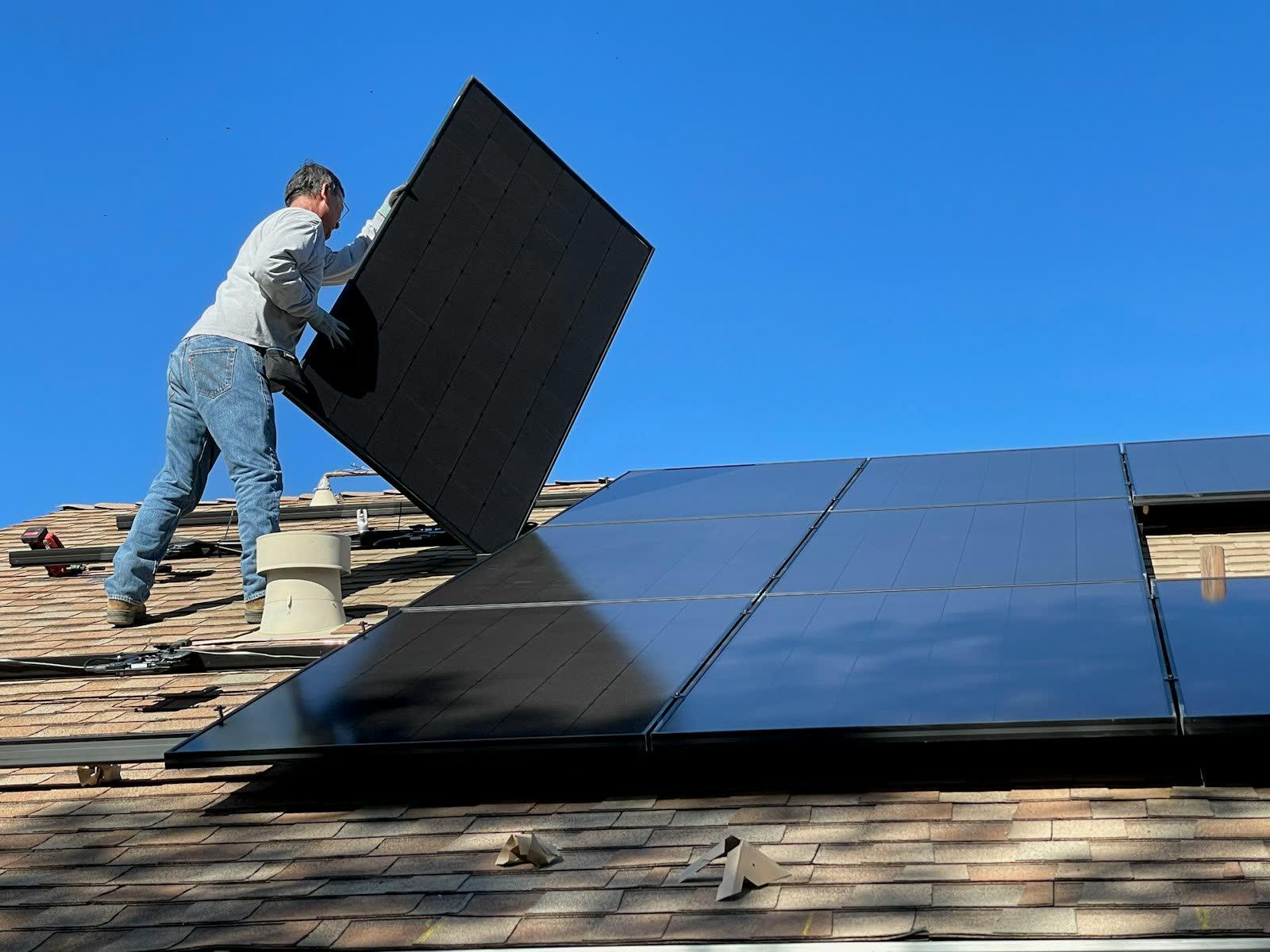
Quick answer: Solar installers pay a lot for each lead, and homeowners usually ask several companies for quotes at once. The installer who replies first, books the consultation and follows up through a long decision usually wins. That means an instant reply to every lead, reminders that make consultations actually happen, and months of useful follow-up. It also means doing it inside US calling and texting law, because solar marketing leans on exactly the outbound calls and bought leads that the law restricts.
Solar leads are the sports cars of lead generation: expensive, fast and very easy to crash. You paid good money for that homeowner, and they have already asked three other installers. This is how to be the one who answers first, without annoying anyone or breaking the rules.
Why is speed so important for solar leads?
Solar leads have two traits that make speed critical. They are expensive, and they are shopped. A homeowner who fills in a "see how much you could save" form has often filled in two or three. The first installer to respond sets the frame for the whole conversation.
- Leads contacted within 5 minutes are about 8x more likely to qualify than at 30 minutes (MIT / InsideSales).
- 35–50% of sales go to the vendor that responds first (InsideSales).
- An instant response produced a 66.7% meeting-booking rate versus 30% for standard follow-up in a study of 4 million form submissions (Chili Piper via LeadResponse).
Those numbers are from general sales research, not solar alone, but the pattern holds for any lead that is shopped.
What does a good first reply look like?
Short, specific, and aimed at booking:
"Hi David, thanks for checking your solar savings with Bright Path Solar. Your estimate depends on your roof and your electric bill. Want to grab a 20-minute consultation this week? Here are some times."
Then, if they do not book, a second message a few hours later, and a call from your setter during business hours. An inbound call from the homeowner can be answered by AI 24/7 and booked the same way.
Why don't solar consultations sit, and how do you fix it?
A booked consultation is worthless if nobody is home, or if only one spouse is. The fixes are simple and work best automated:
| When | What to send |
|---|---|
| Right after booking | Confirmation with date, time, consultant's name and photo |
| Day before | Reminder, and a request that everyone on the electric bill attends |
| Morning of | "Please have a recent electric bill handy." |
| 1 hour before | "Sarah is on her way." |
| No-show | A friendly next-day message offering new times |
Reminders asking for a recent electric bill do double duty: they make the consultation more useful and they remind the homeowner it is happening.
How long should solar follow-up run?
Much longer than most teams do it. Solar involves financing, roof questions, utility rules, a spouse and competing quotes. Many homeowners who say "not now" mean "not this month".
A sensible long-cycle sequence:
- Week 1: Answer questions from the consultation, send the proposal summary.
- Week 2–4: Short, useful messages: how financing works, what installation day looks like, how net metering works in their state.
- Month 2–6: A monthly check-in, plus seasonal prompts (for example, before summer electric bills).
- Any time they reply: The sequence stops and a person takes over.
Old proposals are also worth a careful re-engagement campaign, but only to homeowners who agreed to be contacted.
What are the legal risks of solar lead automation?
This is where solar differs from most trades. Solar marketing often relies on bought leads and outbound calling, which is exactly what the TCPA (the main US law on automated calls and texts) targets, and the rules keep shifting. What we know as of September 2026:
- AI voices count as artificial voice. The FCC ruled in 2024 that AI-generated voices fall under the TCPA's artificial-voice rules (FCC 24-17). Marketing calls using AI generally need prior express written consent.
- The one-to-one consent rule was struck down. In January 2025 the Eleventh Circuit vacated the FCC rule that would have required consent one seller at a time (Morrison Foerster). That does not make shared leads safe; it just removes one specific rule.
- State laws add more. Florida, Oklahoma and others have their own rules with quiet hours, message limits and private lawsuits (overview).
- Business texting must be registered. Carriers block unregistered A2P 10DLC traffic (Twilio).
The practical rule: automate replies to people who contacted you, with consent language your lawyer approved, and do not run automated cold calls or texts. That is not legal advice, just the line we hold on every setup.
Do you have to replace your solar software?
No. Enerflo, Aurora Solar, OpenSolar and JobNimbus handle design, proposals, financing and projects. The response and follow-up layer runs alongside:
- Lead capture and instant replies: automation layer (for example GoHighLevel).
- Inbound AI answering: GoHighLevel Voice AI or Retell.
- Consultation booking and reminders: calendar in the automation layer.
- Design, proposal, financing: your solar software.
- Connection: API, Zapier or Make, depending on your plan.
Sample messages for solar leads
Keep them short, local and useful. Always follow the consent and texting rules that apply where you operate:
- Instant reply: "Hi [Name], this is [Rep] from [Company]. Thanks for asking about solar for [address/area]. Want a quick estimate of savings? I can call you at [time] or you can pick a slot: [link]."
- Before the consultation: "Your solar consultation is [day, time]. It takes about [x] minutes. If you have a recent electric bill handy, I can give you a more accurate estimate."
- After a quiet week: "Hi [Name], any questions about the proposal? I can walk through the numbers or look at financing options."
- For leads not ready: "No rush. I will send a short update when incentives or prices change. Reply STOP at any time."
A small story about the second week
A homeowner asks for a quote on Monday, speaks to one installer on Tuesday and then goes quiet. Two weeks later, the installer who sent a short, friendly check-in with a clear question ("do you want us to check roof suitability from satellite photos?") gets the reply. The others sent nothing. Solar decisions take time. The installer who is still politely present when the homeowner is ready usually wins.
Mistakes that burn solar leads
- Cold-calling and texting without proper consent. Fines are serious. Know your rules.
- Pushy follow-up. A homeowner who feels pressured will just stop answering.
- Promising savings you cannot prove. Use ranges and explain your assumptions.
- No clear owner for each lead.
- Forgetting the long game. Many leads are not ready now but will be later.
Key takeaways
- Solar leads are expensive and shopped. The first reply often wins.
- Confirmations and reminders are the fastest way to get consultations to sit.
- Follow-up should run for months, and stop the moment the homeowner replies.
- Use AI for inbound calls, not cold outbound calls.
- Keep your solar software. Add the response layer around it.
How fast does your team reply to a new solar lead? Our free speed-to-lead audit tests it and sends you a short video of what we found. See the full setup on our solar page, or read how AI voice and chat agents qualify leads.
Related services
- AI & Workflow Automation — Instant first replies, follow-ups and hand-offs that run without manual work
- GoHighLevel Setup Service — CRM, follow-up and booking in one system, set up properly
- Email Marketing & Deliverability — Sequences that reach the inbox and bring leads back
- See all ADbuddy services
POST
FAQ.
Common questions related to this article.